
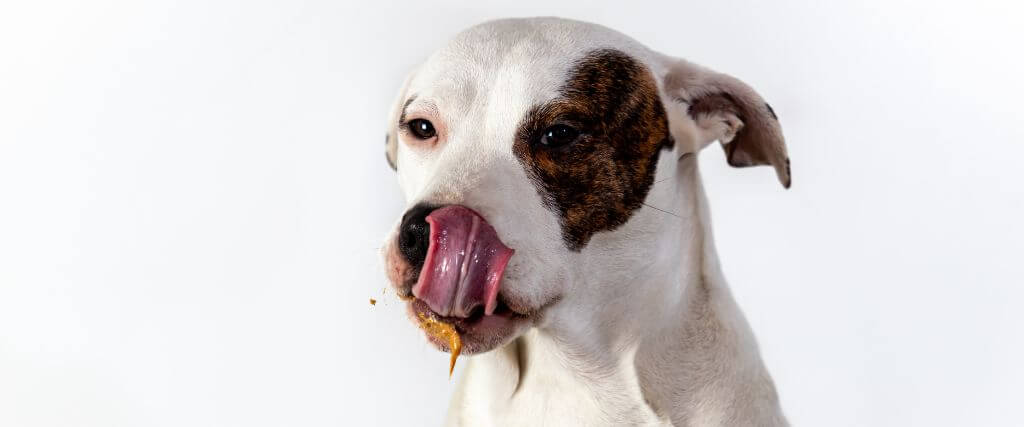
Whether dog or cat, the challenges associated with giving an unwilling participant a medication can be a daunting experience. Mary Poppins recommended a spoonful of sugar to help the medicine go down. Unfortunately, this is not the best option for pets. However, for the effectiveness of medications, it is vital that patients receive the full treatment regimen as prescribed by a veterinarian. There are many tips and tricks for medicating your dog, but knowing your dog and their personality will help in this endeavor. Dogs are problem solvers; they observe our behaviors and develop pattern recognition skills that can even surprise us veterinary professionals. We have compiled a list of things you may or may not have tried before. Keep on reading for some helpful tips!
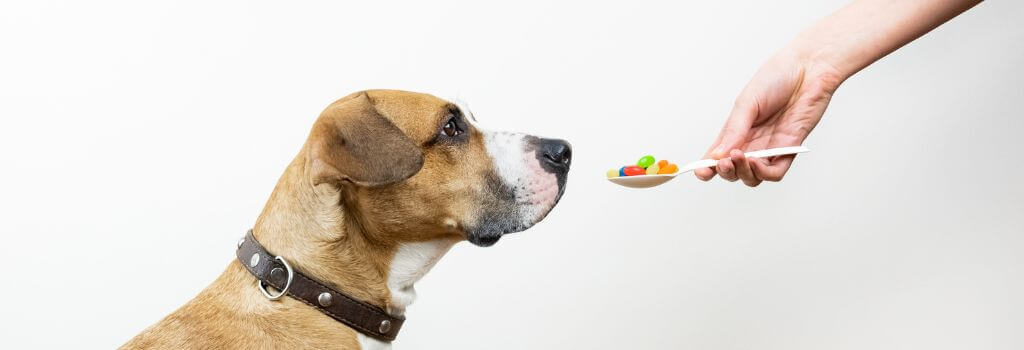
Play It Cool and Sneak It In
We have all tried the classic peanut butter, lunch meat, and cheese options. If you're lucky, these work no problem! However, if your dog is too smart for their own good, they know exactly what you are up to when you reach in the fridge while preparing their breakfast. For dogs that have reached a point where they know the medication routine and avoid you at all costs, you have to change it up. Subtle clues to your dog include the medication container, the cabinet they come from, and observing you prepare their meds. If a medication needs to be kept in the refrigerator, you can send your pet out for a walk or distract them in another room during this time. No worries, we have some unique, tried and true methods that may evade your dog's detecting skills. The art of subtlety will be key to your success.
If your dog is actively watching you prepare their meds, you need to be more sneaky. Try using:
- Marshmallows: Most dogs love sweet treats! This fluffy cloud of yumminess is perfect to hide meds in. A vegan option is great for those with food sensitivities.;
- Braunschweiger: This disgustingly smelly treat works for many!
- Cream Cheese: This works like a flavorful edible putty, perfectly covering up the pill's taste and smell.
- Canned Food: An extra special treat outside of mealtime? How did they get so lucky?
- Hot Dog: Be careful if your dog is prone to fatty food sensitivities; we don't want to trigger pancreatitis!
- Bananas: This option combines the benefits of cream cheese and a hot dog into one!
- Honey: This is as close to a spoonful of sugar you can get. The sweetness disguises any bad tastes, and the slickness helps it go down easier.
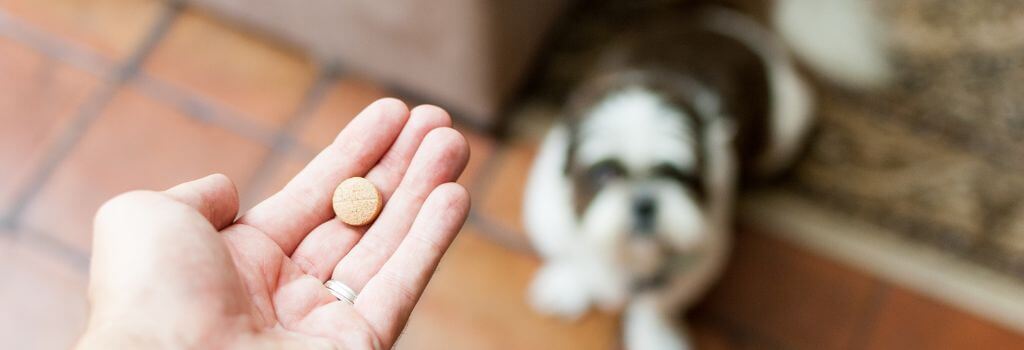
My Dog Was Too Smart, Now What?
If you are still having trouble administering medications even with different treat options, let your veterinarian know! We are not out of options yet. Depending on the medication, compounding pharmacies may be able to formulate it into a flavored chew, flavored liquid, or transdermal medication that is applied topically. The great news is that the efficacy of the med is usually minimally impacted by doing this.
Helpful Reminders When Giving Your Dog Medication
Remember, the goal of giving medications as prescribed is to maintain or improve the health and wellness of your dog. Medications like antibiotics and seizure medications HAVE to be fully given at specific intervals. Following instructions is required for effectiveness.
Flavored chewable medications can be tempting to your pets. Make sure to secure them in a safe place. Overdosing on chewable pet medications when not stored properly is a danger that happens more than you realize. If you have multiple medications to give your pet, consider putting them in a gelatin capsule. This can further hide the bad taste of a med while also limiting the number of separate medications that need to be given. Pill poppers are another tool used in veterinary medicine. When used properly, it allows you to safely administer meds to the back of the throat and successfully get your dog to swallow them instead of spitting them back out. You can also make a game of med time! Give your dog a set of treats without meds in them while making your pup perform tricks, then sneak in the pill-filled treat and follow with subsequent treats to keep the game going.
If you have questions and you'd like to reach out to us, you can call us directly at (214) 833-9821, or you can email us at info@hpanimalhospital.com. Don't forget to follow us on social media Facebook, Instagram.