How important is dog nutrition and what aspects of their health does it affect?
Arguably, it's the cornerstone of all health, and we're discovering more, especially in people, about how nutrition, gut health, and the like impact all aspects of our health. One of the most important things you can do for your dog is provide good quality nutrition, keep them at a healthy body weight, and adapt their nutrition as their needs change. It's very high up there in my opinion.
How do I know what diet is best for my dog?
That's a great question. There is a lot of information circulating right now, so it's hard to cut through the clutter and get to some real facts about food. The biggest considerations are life stage, disease condition, and the body condition of your pet. Young, middle-aged, and older pets have different nutritional requirements. If your dog has any disease processes, there are specific diet requirements for all of them. If you have a young adult healthy dog, any good quality adult maintenance food kibble is a reasonable choice. If you want to do something unique or require a prescription diet, talk to your veterinarian about your dog's specific needs.
There are so many brands of dog food – how will I know the best one for my dog?
You are absolutely right! The dog food market is overwhelming and confusing. Your veterinarian can be a great resource since they know any specific health needs for your pet. To evaluate a dog food, look for the following:
1. Look for AAFCO Statement. Check the label for a statement like:
- “This food is formulated to meet the nutritional levels established by the AAFCO Dog Food Nutrient Profiles for maintenance/all life stages/growth…”
This ensures the food meets minimum nutritional standards based on life stage.
2. Choose the Right Formula for Your Dog’s Life Stage
- Puppy (growth): Higher protein and fat for development
- Adult (maintenance): Balanced nutrients for daily health
- Senior (7+ years): Fewer calories, added joint support
- All Life Stages: would not recommend
3. Evaluate Ingredients. Look for:
- Named animal proteins first
- whole grains or quality carbs (rice, oats, sweet potato)
- Healthy fats (chicken fat, fish oil)
- Limited artificial colors and preservatives
4. Consider Your Dog’s Unique Needs
- Tailor your choice based on:
- Breed and size (large breeds need controlled calcium/phosphorus)
- Activity level (working or very active dogs need more calories)
- Allergies or sensitivities (choose limited ingredient or grain-free if needed—on vet advice)
- Medical conditions (ask vet about prescription diets)
5. Brand Quality Matters. Look for brands that:
- Have veterinary nutritionists on staff
- Conduct feeding trials (not just lab analysis)
- Have transparent sourcing and manufacturing
6. Highly respected brands include (as of 2025):
- Hill’s Science Diet
- Royal Canin
- Purina Pro Plan
- Eukanuba
- Iams (mid-range but AAFCO-compliant)
- For boutique or natural: Wellness, Nutro, Merrick, Open Farm
Be cautious with trendy or grain-free brands unless recommended by a vet—some are under scrutiny for possible links to heart disease (DCM).
Will my dog's nutrition needs change throughout their life?
Yes, definitely. Going from a neonatal, nursing stage to a puppy stage, switching to solid food, involves different nutritional requirements. A lot of times it doesn't apply to owners because they're not with the pet yet. Going from puppy to adult food, the biggest thing is puppy nutrition is high in fat and protein. A lot of adult dogs tend to get overweight on puppy foods, so make sure to make that switch either when they're spayed or neutered or at about a year of age, especially watching their body condition. A maintenance adult dog food is generally good to use until they have a specific disease process that dictates otherwise, such as mobility issues or obesity, up until about their senior stage of life, ranging from 8 to 12, depending on the breed. Then switch them over to a senior maintenance food, which generally supports cognitive health, joint health, heart health, and so on.
What are the life-stages of feeding my dog?
Puppy: 0-12 months
- High protein and fat for growth
- DHA for brain development
- Foods with Calcium and Phosphorous for bone health
Adult- 1-7 years
- Balanced protein, fat, and carbs
- This stage is vital for maintaining a healthy weight and activity level
- Avoid overfeeding and giving your adult dogs too many treats
Senior- 7+ years
- Lower calories
- Begin incorporating antioxidants and joint supplements
Will my dog ever need supplements? If so, when would they need them?
It depends. Most good quality adult dog food is formulated so you do not need to add anything to it. I generally recommend that large breed dogs start a joint supplement early in life. For other needs like dental health, it depends, but generally, most good quality dog food is a complete package.
How do I wean my puppy and get them on regular food?
Puppies are typically weaned to food before adoption. If you puppy has difficulty eating hard food, you may soften the food with water or feed canned food until they have an easier time.
When looking at dog foods, what's the most important information to look for on the bag or can?
I sympathize with the buyer right now because you look at a wall of dog food and there are a million choices. Good starting points include looking for AFCO labeling, as it is a regulatory agency that regulates some nutritional contents in dog food. Most veterinarians recommend looking at brands like Hills, Purina, and Royal Canin. These are tried-and-true brands with veterinary nutritional staff, quality control, and recall procedures, making them generally safe and effective, unlike many unregulated boutique brands.
I've heard that grains are bad for dogs. Is that true?
No, that is not true. There is solid evidence showing that grain-free diets have a strong correlation with dilated cardiomyopathy. We generally support complex carbohydrates in dog foods. The issue often gets conflated with cornmeal byproducts. Instead of complex carbohydrates like wheat or barley, some use potato starch, which has shown deficits in studies. Grain-free diets are not recommended by most veterinarians.
Are byproducts and dog foods dangerous?
Byproduct is a term that raises concerns for many owners. Often, it means byproduct meal not suitable for human consumption but qualified for animal consumption. In good quality food, this is not filler or dangerous material. It's just parts of an animal we don't consume but are safe for animals. It's not necessarily a huge red flag, but do your research and consult your veterinarian.
Is a raw diet safe for my dog?
We generally advise against it, including freeze-dried raw. Dogs are not immune to the same risks people face with raw food, like contracting infectious diseases and salmonella. Additionally, human handling of this food requires careful preparation, cleaning, and ensuring your pet doesn't pose a health risk to children or the elderly. There are no proven benefits, so we advise against it.
Is homemade dog food better than processed?
That's a bit relative. There are safe and effective ways to home-cook for your dog, and resources can be prescribed to do it safely. Generally, without guidance, kibble or a dog food brand is safer than home cooking, as an uneducated owner can cause nutritional deficits.
How do I know if I'm feeding my dog too much or too little?
Weight and stool quality are good markers. Your veterinarian can provide an ideal body condition score and weight for your dog, along with a calorie amount to achieve that. If your dog has chronic GI signs, consider a nutritional need not being met.
To know if you are overfeeding your dog, be on the lookout for:
- Noticeable signs of weight gain – collar is too tight, obvious weight gain, lethargy or joint stiffness
- Food not being finished
- Soft or frequent stools
When would my dog need a prescription diet?
Your dog may need a prescription diet when they have a health condition that requires nutritional therapy as part of treatment or management. These diets are specially formulated to support medical needs and are only available through a veterinarian.
Prescription diets for dogs are always dictated by your dog's condition. We don't prescribe a prescription diet proactively. If your dog shows signs or has a diagnosed condition requiring a specific diet, your veterinarian will prescribe it.
What can I do to prevent dog obesity?
It's similar to people: calories in, calories out. Communicate with household members to avoid overfeeding, measure food, have a calorie budget, and ensure your pet is not overeating. Include time and exercise. If difficulties arise, endocrine testing like thyroid checks may help. Consulting a veterinarian or veterinary nutritionist can also be beneficial. It's a frustrating process, and I say that as the owner of a slightly overweight lab. It can unfortunately be broken down into an exact science.
When it comes to treats, do the ingredients or nutritional value matter as much as the food?
Not as much. Treats don't have the same regulations as dog foods, which must meet specific component percentages. Ensure treats don't contain harmful ingredients and don't contribute to caloric overload, and you should be fine.
How do I feed my dog on a schedule?
Most dogs do best with 2 meals per day. We recommend feeding in the morning and evening at consistent times and we recommend avoiding “free feeding”. Puppies may need 3-4 meals a day spaced out every 4-6 hours to maintain blood sugar levels.
Scheduled feeding times allow for easier house training, better monitoring of appetite, prevents obesity, and creates a predictable routine
- **If you dog does not eat their food at first, you can train them using the 15-20min method. You put the food down at mealtime, and pick it up after 15-20 minutes. Do not feed snacks or treats until the next scheduled meal.
- Dogs quickly learn to eat when food is available!
It is best to measure the food and feed according to the feeding guidelines on the food label or as prescribed by your veterinarian.
What are the essential nutrients my dog needs?
Great question! Just like humans, dogs need a balanced diet of essential nutrients to stay healthy
- Protein – Helps build muscle, skin, organs, and immune function
- Fatty acids – provide energy, good for healthy skin and coat, brain development and absorption of fat soluble vitamins
- Carbohydrates – for energy and fiber for digestion
- Vitamins and Minerals – Support immunity, metabolism and nerve function. Important for bones, teeth, fluid balance and overall health
What are the signs my dog's nutritional needs are not being met?
Definitely weight fluctuations, weight loss, or weight gain. Other signs can be gastrointestinal issues like chronic diarrhea or vomiting, increased thirst and urination, poor hair coat, and dental health issues. All of these can be linked back to nutrition and can be improved by it.
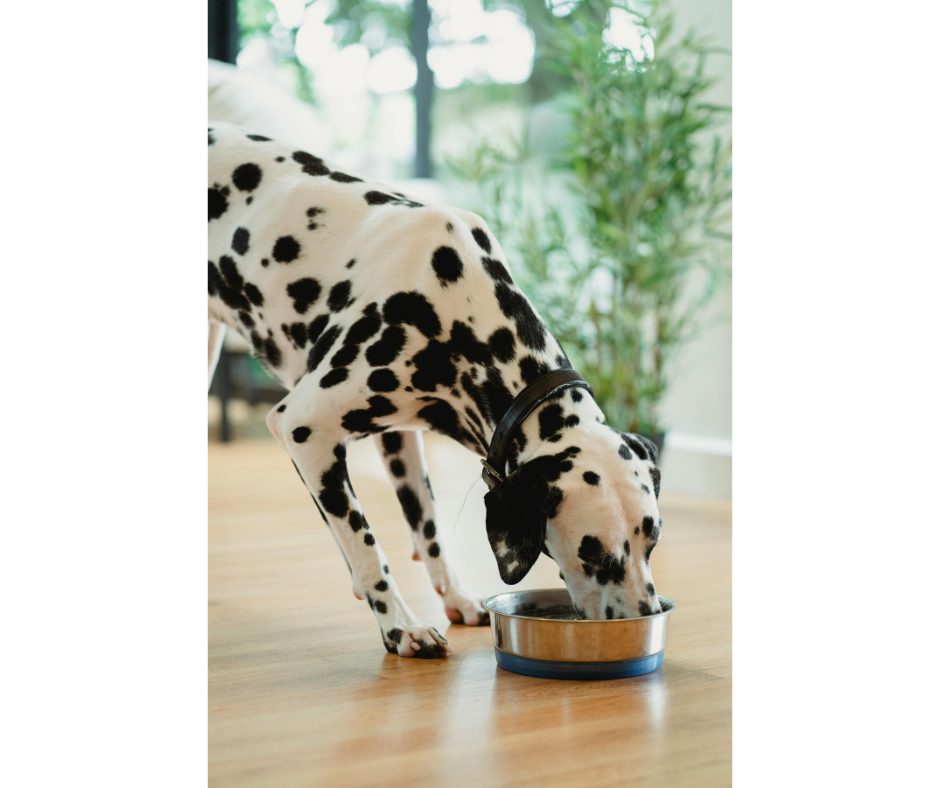 How will my veterinarian be able to assess if my dog is getting proper nutrition?
Your veterinarian has several ways to assess whether you dog is receiving proper nutrition including:
- Physical exam – evaluating weight, quality of their haircoat, muscle distribution, and energy level
- Weight tracking – Weight over time is important to make sure a puppy is growing well and seniors and dogs with chronic conditions are staying healthy.
- Lab work – Blood tests evaluate for protein levels, electrolyte imbalances, and organ function
If you’re looking for veterinary care you can trust, call us at (214) 833-9821 or email info@hpanimalhospital.com. We’re here to keep your pet healthy, happy, and thriving!